The Arizona Concealed Weapons Permit, step by step
Arizona has not required a permit to carry a concealed firearm since 2010. Anyone 21 or older who may lawfully own a gun can carry it concealed or openly, anywhere state law allows, with no class, no fee and no card in the wallet. The Arizona Concealed Weapons Permit, the CWP, is still issued, and tens of thousands of people still hold one. This guide explains what it costs, what the class involves and why people keep getting it.
Who issues it
The permit is issued statewide by the Arizona Department of Public Safety through its Concealed Weapons Permit Unit in Phoenix. County sheriffs do not issue it, so the process is identical whether you live in Pima County, Mohave County or Apache County. Applications go through the department's online portal, by mail, or in person at the Encanto Boulevard office in Phoenix.
Who qualifies
Under A.R.S. 13-3112 you must be 21 or older, or 19 or older with current or honorable prior service in the armed forces. You must be a United States citizen or a lawful resident of Arizona, you must be lawfully present in the country, you must not be a prohibited possessor, and you must not have a felony conviction that has not been expunged, set aside or restored. The statute also bars applicants who are adjudicated mentally incompetent or who are in a court-ordered treatment situation that has not been resolved.
The training requirement
The department requires proof of firearms competence under A.R.S. 13-3112. The statute accepts several routes rather than a single mandatory class: a firearms safety or training course from a department-approved provider, a hunter education course from a state agency, an NRA-approved course, law enforcement or military training, current military service, or a current or expired permit from another state that meets the requirement. Most applicants take a classroom course from an approved Arizona instructor, which covers legal issues, safe handling, storage and the rules on where carry is prohibited. Ask any instructor for their department approval number before you pay.
Fees and how long it takes
The Department of Public Safety charges $60 for a new permit, $43 for a renewal and $10 for a replacement card or a profile change. Permits run five years. The department asks you to allow 75 days for processing an application, and to file a renewal at least 90 days before the card expires. You will need a fingerprint card, and by statute the department has 60 days to finish the qualification check and 15 working days after that to issue the permit.
Why people still get one
- Reciprocity: an Arizona permit is recognized by a long list of other states, which matters if you drive to Utah, Texas or the Midwest. The department publishes a state-by-state table and updates it as agreements change, so check it before a trip rather than trusting a map you saw last year.
- Fewer questions: a card with your photo and a completed background check behind it makes a traffic stop or a range visit simpler.
- Carry at 19 with military service: for a young soldier or airman at Davis-Monthan or Fort Huachuca, the permit is the only route to lawful concealed carry before 21.
- At the gun counter: some states let a qualifying permit stand in for the NICS check. Whether your Arizona card does depends on federal recognition at the time of purchase, so ask the dealer rather than assuming.
Where you still cannot carry
A permit does not open every door. Under A.R.S. 13-3102 school grounds, polling places on election day, court facilities, and nuclear or hydroelectric generating stations are closed to carry, and keeping a weapon in a public establishment or at a public event after a reasonable request to remove it is an offense. Federal buildings, post offices, secure areas of Tucson International and Sky Harbor, and the border crossings at Nogales, Douglas and San Luis follow federal law. Bars and restaurants that serve alcohol may post against firearms, and drinking while carrying is a bad idea in any case. Private property owners, including many employers, hospitals and tribal governments, set their own rules, and tribal land such as the Tohono O'odham Nation or the San Carlos Apache Reservation is not covered by state preemption.
Carrying in the desert
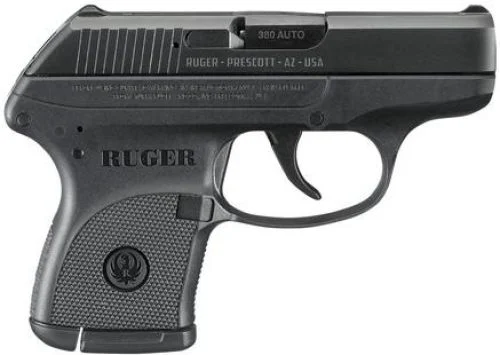
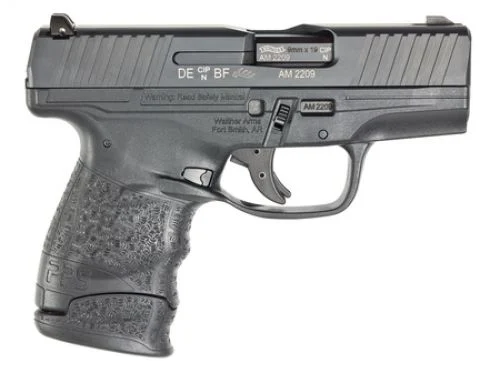
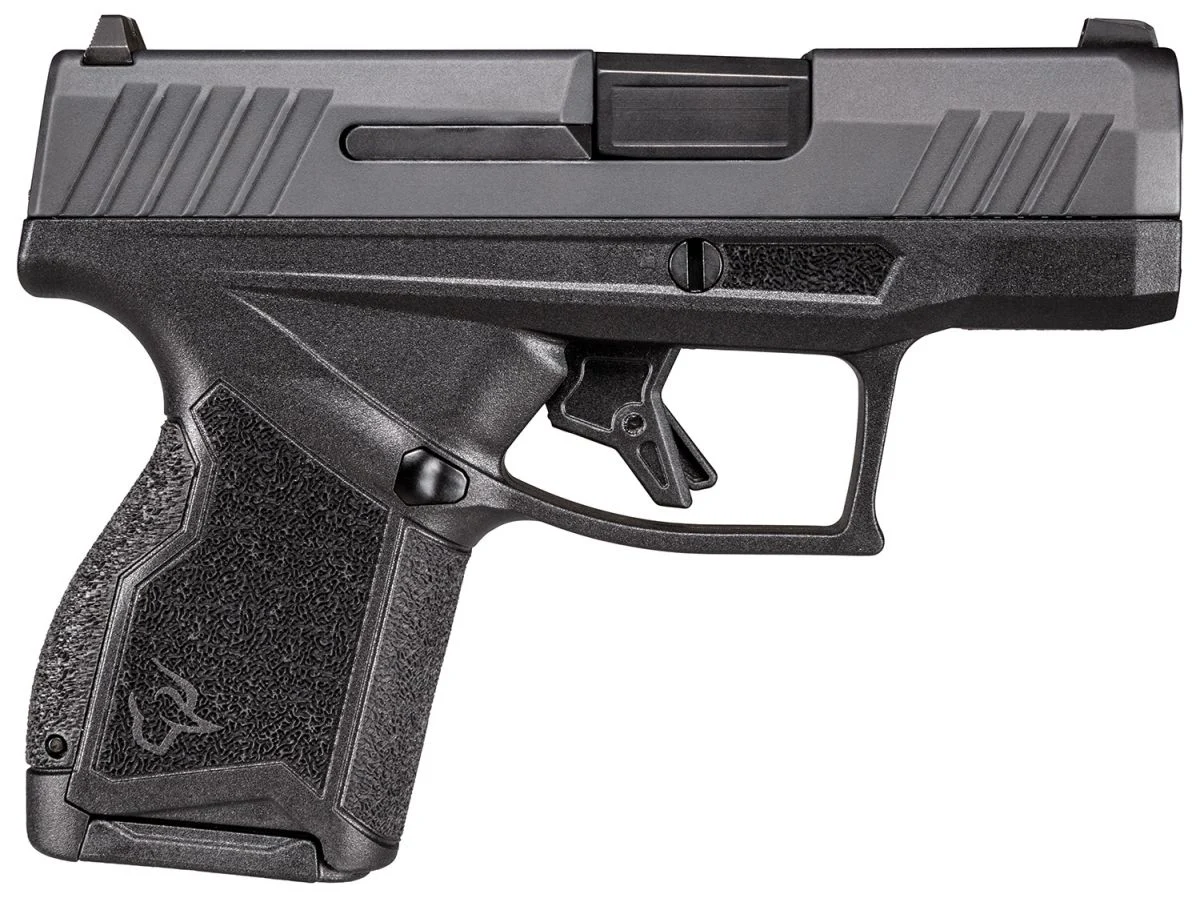
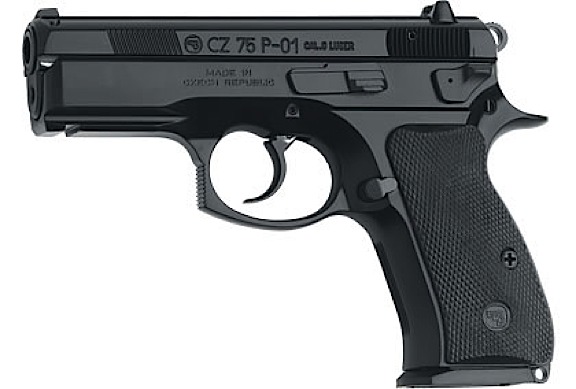
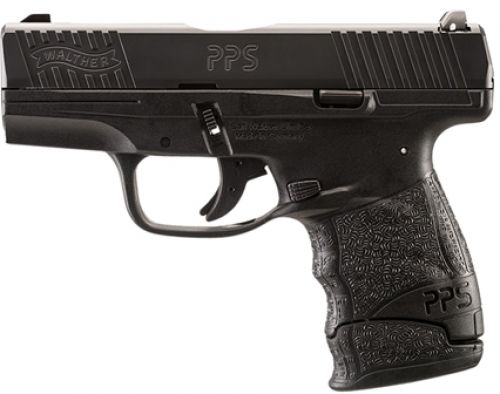
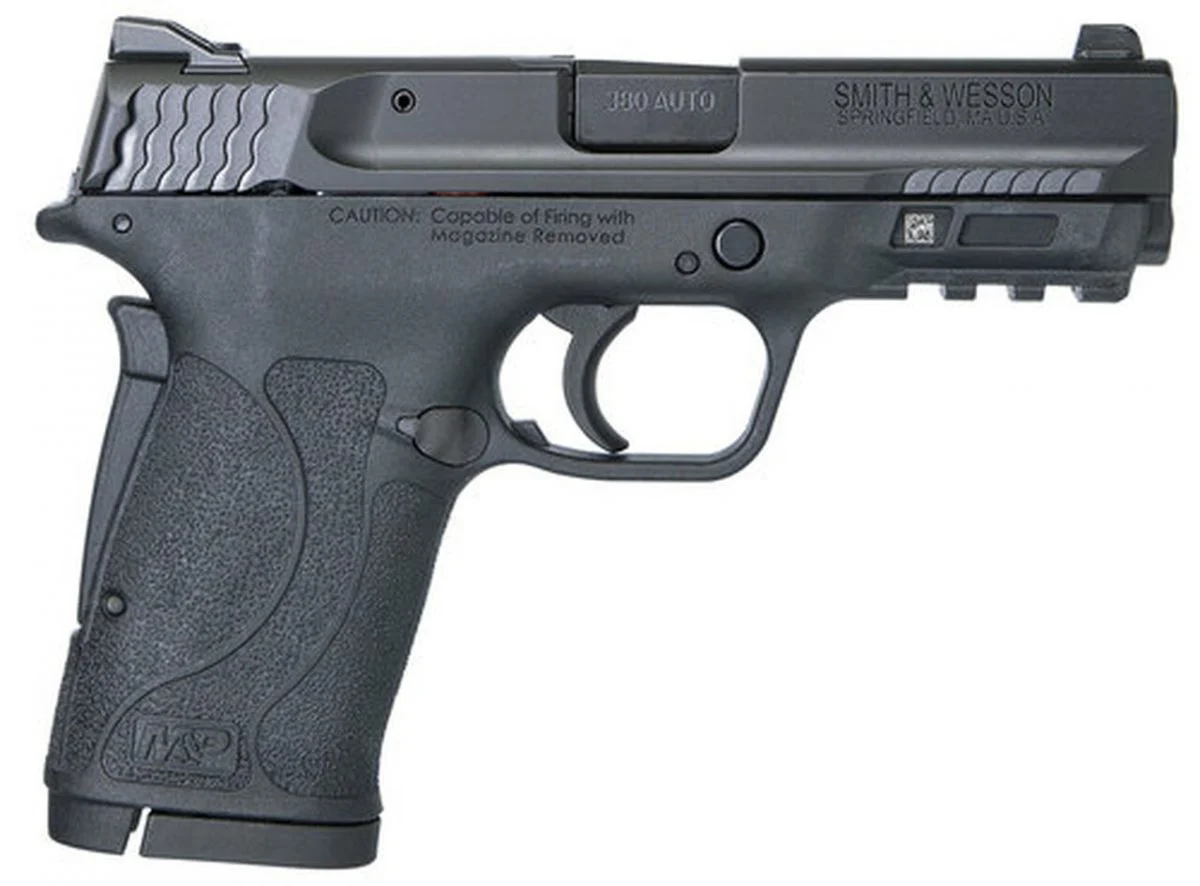
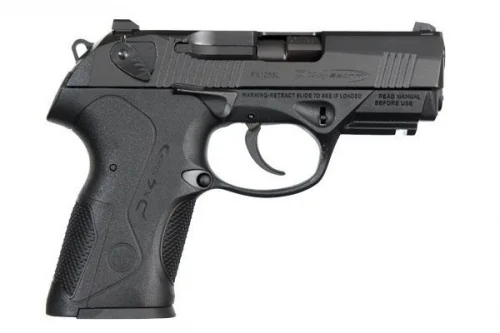
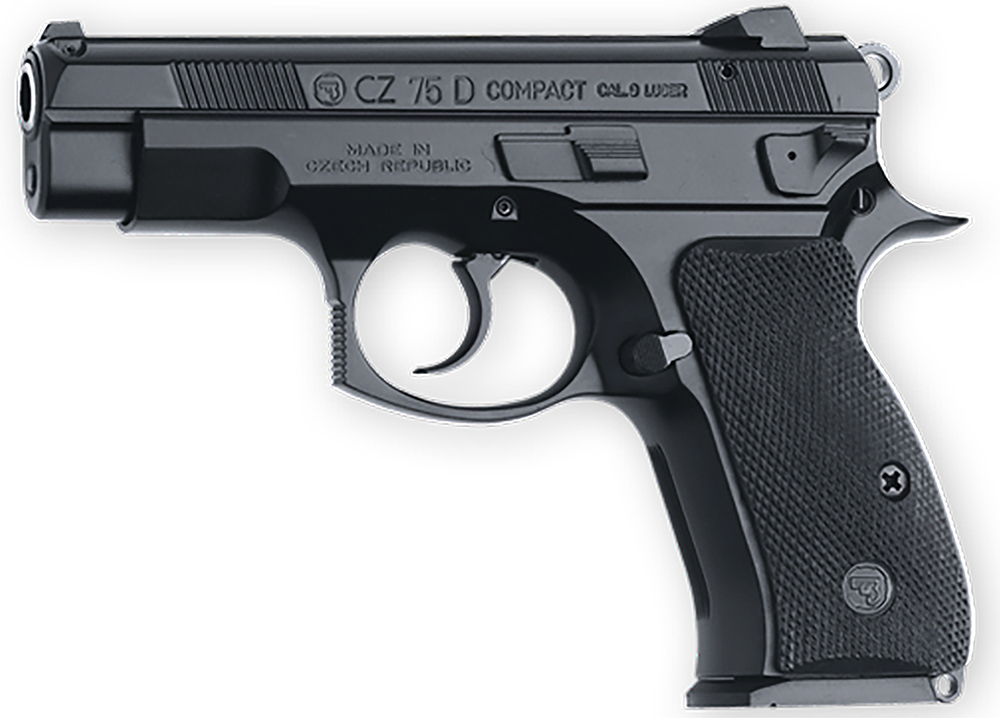
Most people who carry in southern Arizona are carrying a compact or subcompact 9mm: heat, light clothing and long drives all push toward something small that rides in an inside-the-waistband holster. Bring a holster that covers the trigger guard completely, and remember that sweat is hard on carbon steel; stainless, nitride and polymer frames earn their keep here. Hikers in the Catalinas, the Huachucas and the Santa Ritas often carry a larger revolver instead, more for a bad encounter with a dog or a javelina sounder than for anything else.
Renewing and keeping it current
A permit is only useful if the state can find you. The department expects a permit holder to report a change of address or name, and it charges $10 for a replacement card or a profile change. Renewal is the cheaper path at $43, and it is worth filing early: the department asks for renewals at least 90 days before expiry, and a card that lapses sends you back through the full application, fingerprints and all. Keep a copy of your training certificate, because the department may ask for proof again.
Carry in a vehicle
For a permit holder or anyone else 21 or older, a loaded handgun in the console, the door pocket or a holster is lawful in Arizona. Under 21 it is not, and A.R.S. 13-3102 treats a concealed firearm in a vehicle as an offense for that age group, so a younger driver keeps it in plain sight or cased and unloaded. If your drive crosses into California, Nevada or New Mexico, look up that state's rules first; permit recognition and vehicle carry rules change at the line, and Arizona's permit does not travel everywhere.
Training worth taking anyway
Nothing in the permit class teaches you to shoot. If you carry daily, spend the money you saved on not needing a permit on a defensive pistol course and on range time instead. Most of the useful work is drawing from concealment slowly and correctly, shooting one-handed, and reloading without looking, none of which happens by itself. Dry practice at home with a cleared firearm is free and does more than a box of ammunition fired flat-footed at seven yards.
Shop carry pistols or read the Arizona gun law overview for the buying side of the rules. If you are new to the state, the Tucson buying guide covers dealers, ranges and public land around the city.
General information, not legal advice. Current as of September 2026. Laws change; check the official source before you act.